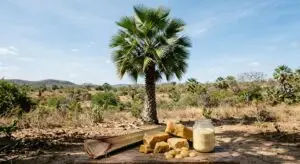



Brazilian carnauba wax remains one of the raw materials most valued by the global industry, and the outlook for 2026 reinforces this position. Extracted from the leaves of the Copernicia prunifera palm, native to the semi-arid Northeast region of Brazil, this natural wax combines rare technical properties (high melting point, intense shine, hardness, and biodegradability) that are hardly replicated by synthetic alternatives. It's no surprise that it remains indispensable in sectors as distinct as pharmaceuticals, cosmetics, food, and automotive.
One raw material, multiple applications
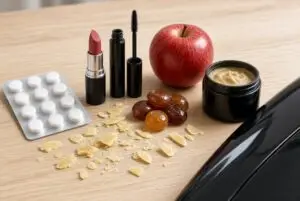
In the pharmaceutical industry, carnauba wax is used as a coating agent in tablets, ensuring stability and controlled release of the active ingredients. In the cosmetics sector, it is incorporated into the formulation of lipsticks, mascaras, and creams, acting as a structuring and glossing agent. The food industry uses the wax as a protective coating on confections, fruits, and capsules, extending the shelf life of the products. In the automotive and polishing segment, its natural hardness makes it a key ingredient in premium finishing waxes.
This versatility explains why the demand for Brazilian carnauba wax continues on a growth trajectory, especially among buyers seeking natural and traceable ingredients as an alternative to synthetic inputs.
What is changing in the market in 2026
Some movements have been shaping the sector. First, regulatory and market pressure for clean-label ingredients has raised demand for certified vegetable waxes with documented origin from the field to the container. Second, international buyers have prioritized suppliers capable of guaranteeing continuous supply — a sensitive point in a chain historically marked by harvest seasonality. Third, the demand for ESG compliance and international certifications (such as ISO, FDA, Halal, and Kosher) is growing as a prerequisite rather than an optional differentiator.
In this context, suppliers who manage to balance productive efficiency with guaranteed stock throughout the 12 months of the year gain a real competitive advantage, both in price and delivery reliability.
The role of Alkinda Wax in this scenario
With two generations of experience in the carnauba wax supply chain, Alkinda Wax operates with an efficient structure, which translates into price competitiveness without compromising technical quality. The company works in direct connection with producers in the Caatinga, adopting responsible biosourcing practices from the Brazilian biome to the client's production line, and maintains scheduled inventory to meet orders throughout the year, including during the off-season.
In addition to direct sales, Alkinda Wax also operates through representatives and distributors in different regions, expanding its capacity to serve industries seeking a Brazilian carnauba wax supplier with a consistent track record of delivery and regulatory compliance.
For companies evaluating a change of supplier or diversifying their supply base in 2026, understanding these trends is the first step toward negotiating better terms and ensuring continuity of supply.
Want to learn more about the types of wax available and how to plan your supply for the coming year? Talk to our sales team and request a personalized quote.